Leather endures because material longevity, restraint, and cut matter more than trend-driven design.
Introduction
Fashion trends are designed to move quickly. Materials are not.
Leather endures precisely because it exists outside the logic of constant renewal. While trends rely on surface change and visual novelty, leather responds to use, time, and wear. It softens, creases, and develops character rather than becoming obsolete. That distinction has allowed leather to persist through decades of shifting silhouettes and aesthetics.
When fashion accelerates, materials that slow the process down become more valuable. Leather asks for commitment rather than replacement. It rewards longevity instead of immediacy. In a system increasingly built on disposability, that resistance explains why leather endures when trends do not.
Material Longevity Over Visual Change
Trends are visual agreements. Materials are physical realities.
Leather does not need to be updated to remain relevant. Its strength lies in durability, repairability, and its ability to improve with wear. Unlike synthetic substitutes that aim to replicate appearance, leather is defined by how it behaves over time.
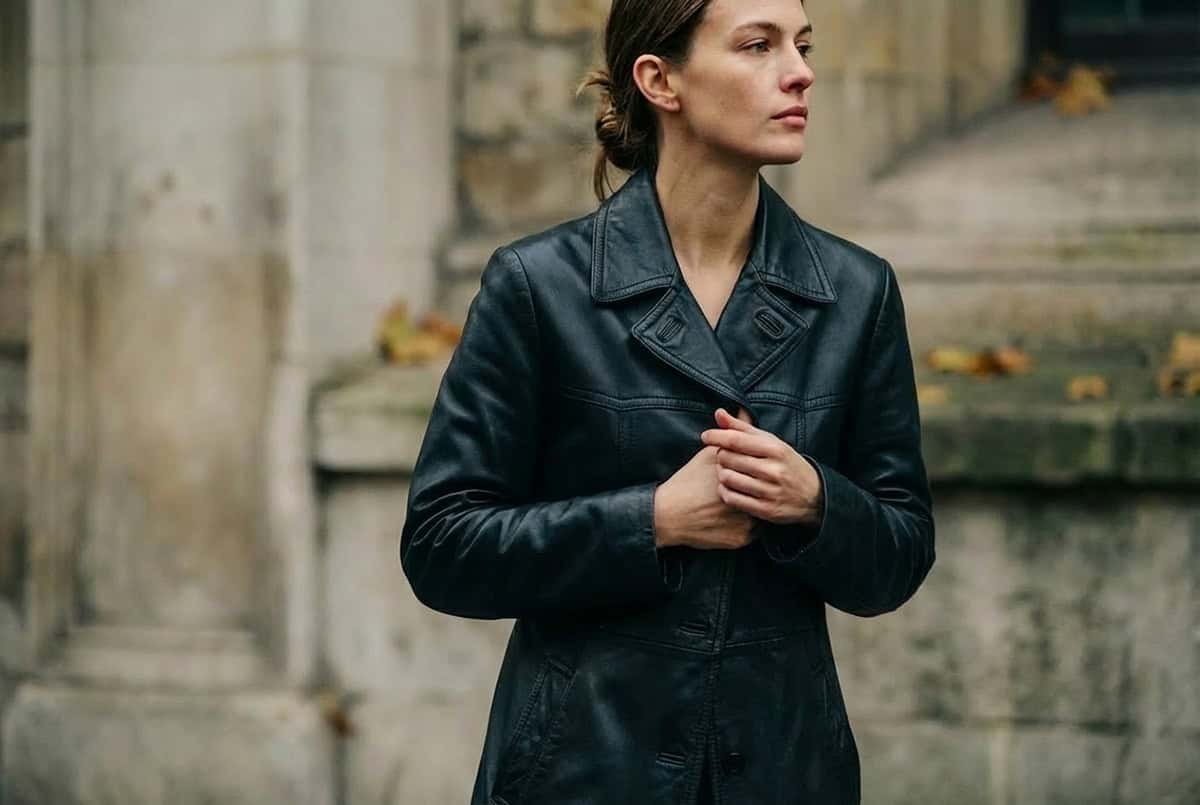
This is why leather longevity cannot be engineered into fast fashion systems. A material designed to last exposes the short lifespan of trend-led garments by contrast. This is why the material persists not through reinvention, but through consistency.
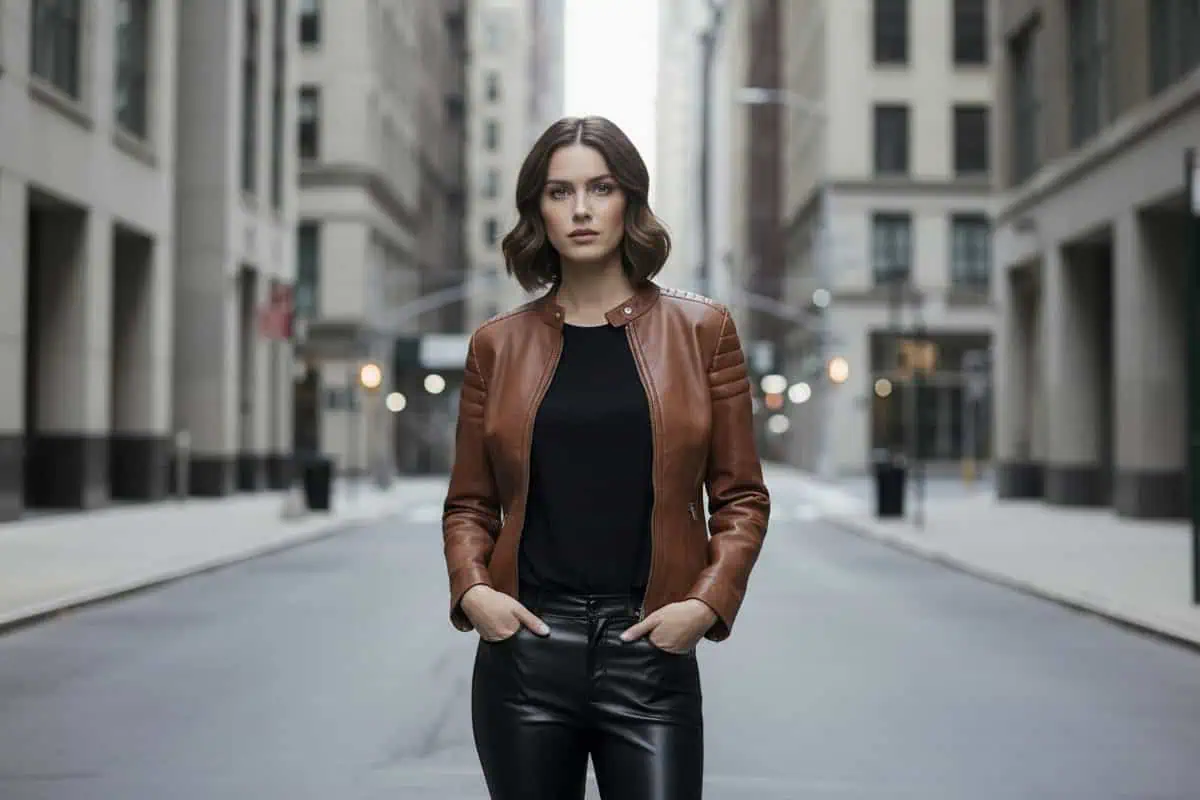
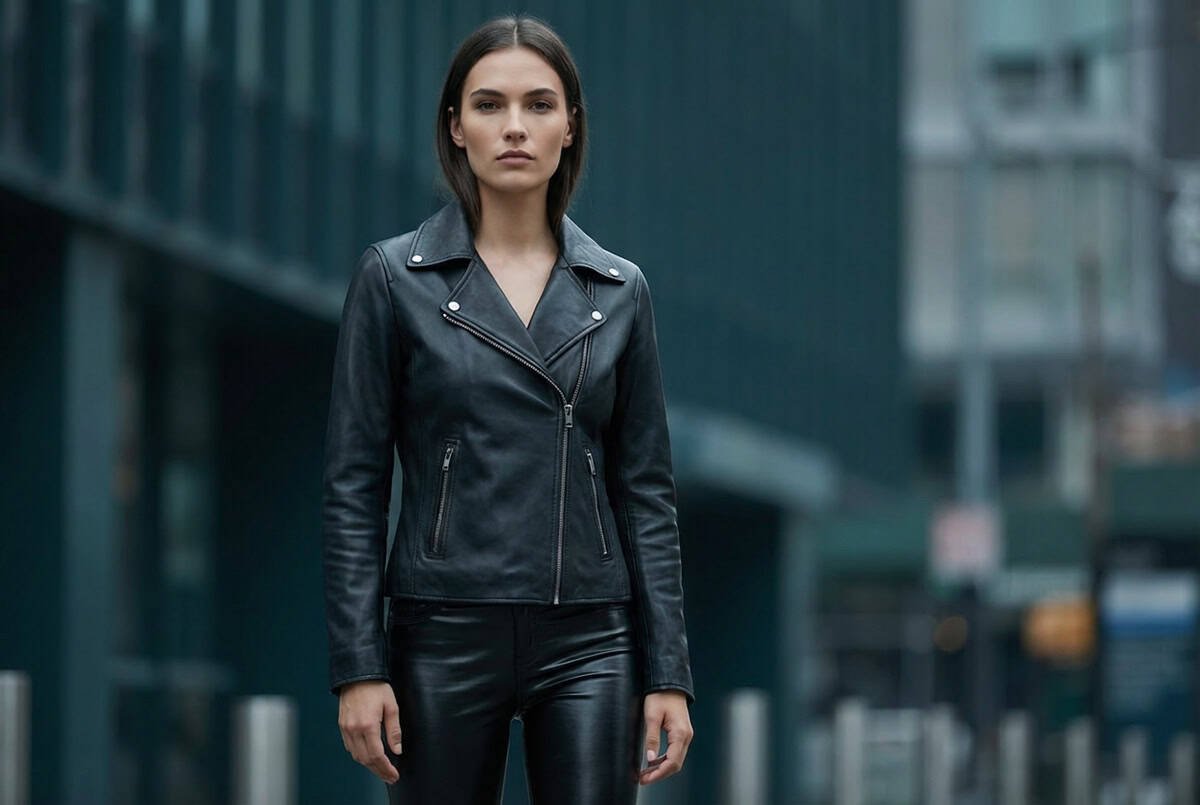
The same principles apply at a smaller scale, where a properly considered leather jacket becomes less about seasonal styling and more about how material and cut perform through repeated wear.
Cut as the Defining Factor
Leather performs best when design is restrained.
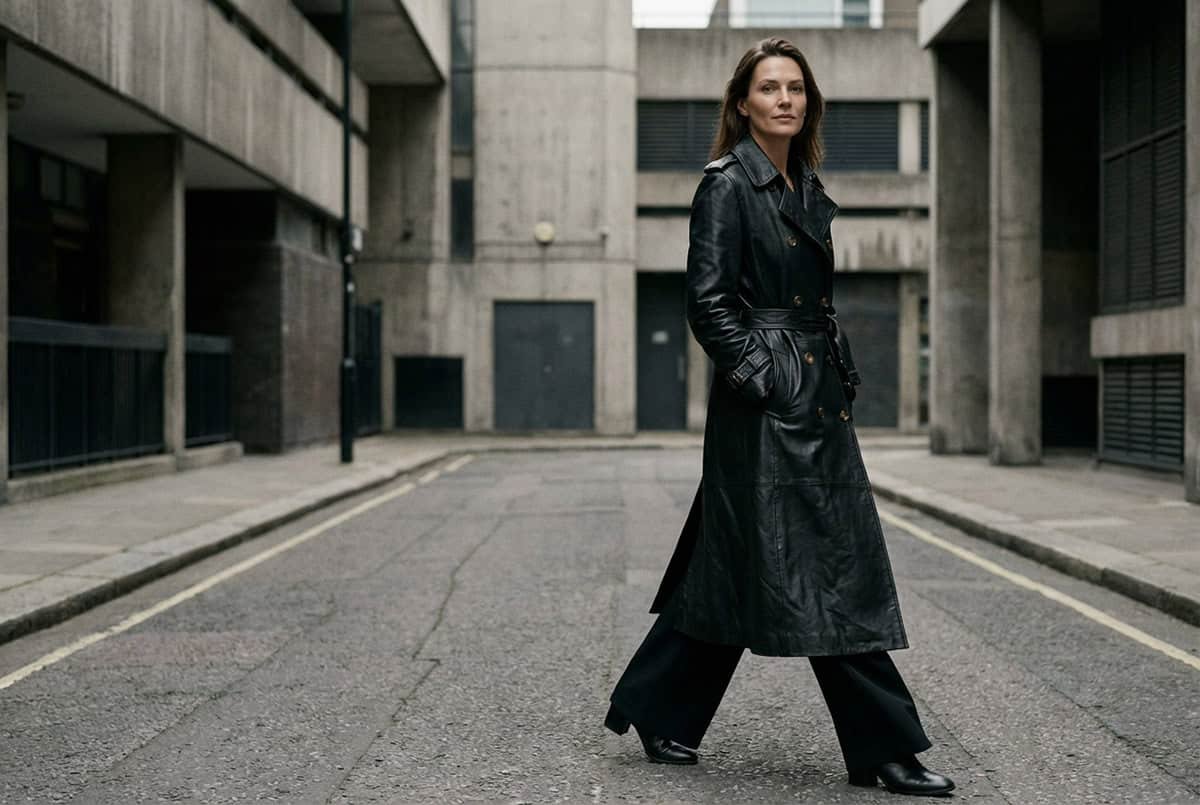
Because the material already carries visual weight, excessive detailing often undermines it. The leather garments that endure tend to rely on proportion, structure, and balance rather than decoration. Clean seams, thoughtful shaping, and neutral silhouettes allow the material itself to remain the focus.
Timeless leather design is rarely loud. It is precise. When cut is prioritised over novelty, leather garments remain wearable long after surrounding trends have passed.
Time as a Design Partner
Leather does not resist ageing. It collaborates with it.
Creasing, patina, and softening are not flaws but records of use. This relationship with time sets leather apart from materials that deteriorate once their surface is compromised. Leather fashion durability is measured not by how long it looks new, but by how well it adapts.
In this way, time becomes part of the garment’s construction. Leather endures because it is designed to change without losing integrity.
Why Leather Still Matters in Modern Fashion
As fashion cycles shorten, material honesty becomes more visible.
Leather introduces friction into consumption. It discourages impulse buying and demands care, storage, and repair. These qualities run counter to trend-based fashion but align with growing interest in longevity and considered ownership.
Leather endures not because it is traditional, but because it remains materially relevant. Its value lies in restraint, not nostalgia. As the industry reassesses long-term design value, materials that prioritise longevity over trend cycles gain renewed relevance.
FAQs
Leather endures because it is structurally durable, repairable, and designed to age rather than be replaced.
Yes. Full-grain leather and well-constructed garments age more evenly and last significantly longer than treated or bonded alternatives.
Not entirely, but it prioritises cut and proportion over seasonal aesthetics, allowing garments to remain relevant across trend cycles.
The Edit’s Takeaway
Leather endures because it resists the pressures that define modern fashion. Material longevity, disciplined cut, and an acceptance of time allow leather to operate outside trend dependency. In a system built on speed and surface change, leather remains valuable precisely because it does not compete for attention. It endures by staying materially honest, shaped by wear, repair, and continued relevance rather than seasonal reinvention. Its worth is measured in years of use, not in visual novelty, allowing leather to remain quietly functional as trends exhaust themselves.